The recruited athlete recruiting timeline, month by month
The College Wonder Team
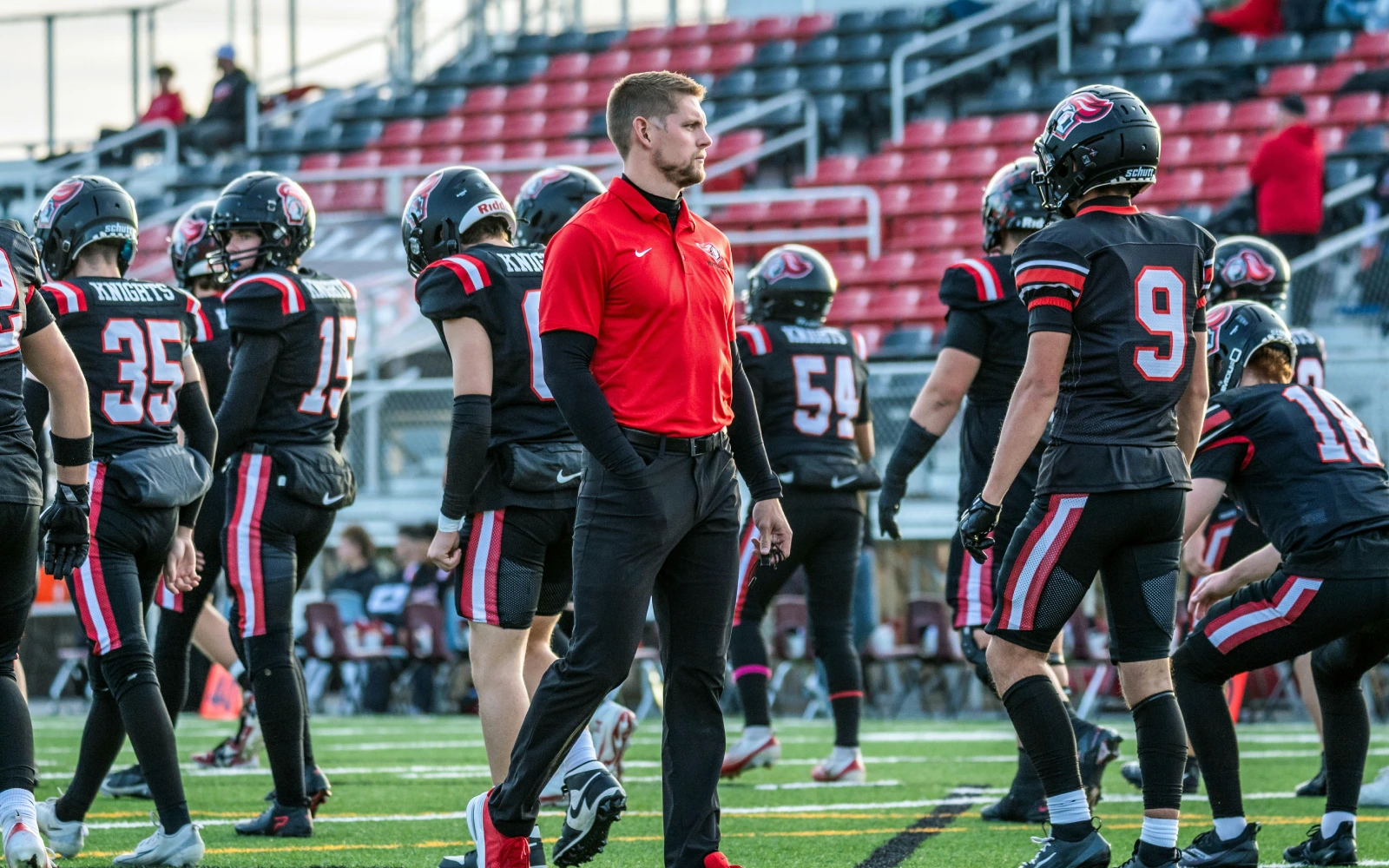
Getting recruited is a second application process running right alongside the academic one, with its own calendar and its own rules. Start early, stay organized, and never forget that you're choosing a school, not just a team.
Know your divisions first
- D1: the highest level of play, the biggest time commitment, and where athletic scholarships are most visible. Very selective on talent.
- D2: strong competition with more balance between your sport and the rest of college. Partial athletic scholarships are common.
- D3: no athletic scholarships, but often generous need-based and merit aid, and a real focus on the full student experience.
- NAIA: a separate association with its own scholarships and often a more personal, less rigid recruiting process.
Freshman and sophomore year: build the base
- Protect your grades from day one. Both eligibility and admission start with your transcript.
- Train, compete, and start building film. Keep it current as you improve.
- Sketch a rough list of programs and levels that fit both your ability and your academic goals.
Junior year: get on the radar
- Register with the NCAA Eligibility Center, or the NAIA equivalent.
- Send film and a short, genuine introduction to coaches at schools that fit. Personalize every message.
- Get to camps and showcases where your target coaches will actually be watching.
- Take the SAT or ACT if your schools use scores, and keep your grades climbing.
Senior year: decide
- Take visits, official and unofficial. Sit in on a class, not just a practice.
- Understand any offer in full: is the aid athletic, need-based, merit, or a mix, and is it renewable each year?
- Apply for admission and file the FAFSA. Recruiting never replaces the regular paperwork.
- Commit to the school you'd still be glad you chose if an injury ended your season tomorrow.
The question under all of it
Coaches leave. Roster spots aren't promises. An injury can rewrite everything in a single play. So the school has to be worth it without the sport: the right academics, the right size, the right price. If it is, the athletics are a bonus on top of a good decision. If it isn't, no amount of playing time makes it the right one.
Pick the school you'd choose even if you never played a game there. Then go play.
College Wonder scores schools on academics, cost, and fit first, and lets recruited athletes filter by NCAA division so the athletic picture lines up with a school that is right for the next forty years, not just the next four. Build your profile to start your list.